For nearly a decade, Canada was told pipelines were the moral equivalent of clubbing a baby seal while dumping crude oil directly into Greta Thunberg’s flower garden.
Northern Gateway? Gone.
Energy East? Vaporized.
Anything that connected Alberta to a coast? Forget it.
And through all of this, one voice hovered over Ottawa like a beige cardigan at a vegan poetry slam:
Mark Carney, the global finance darling who could say “net-zero transition” in four different accents.
Carney made it very clear:
Canada should stop investing in “yesterday’s infrastructure.”
Translation: no pipelines for you, peasants.
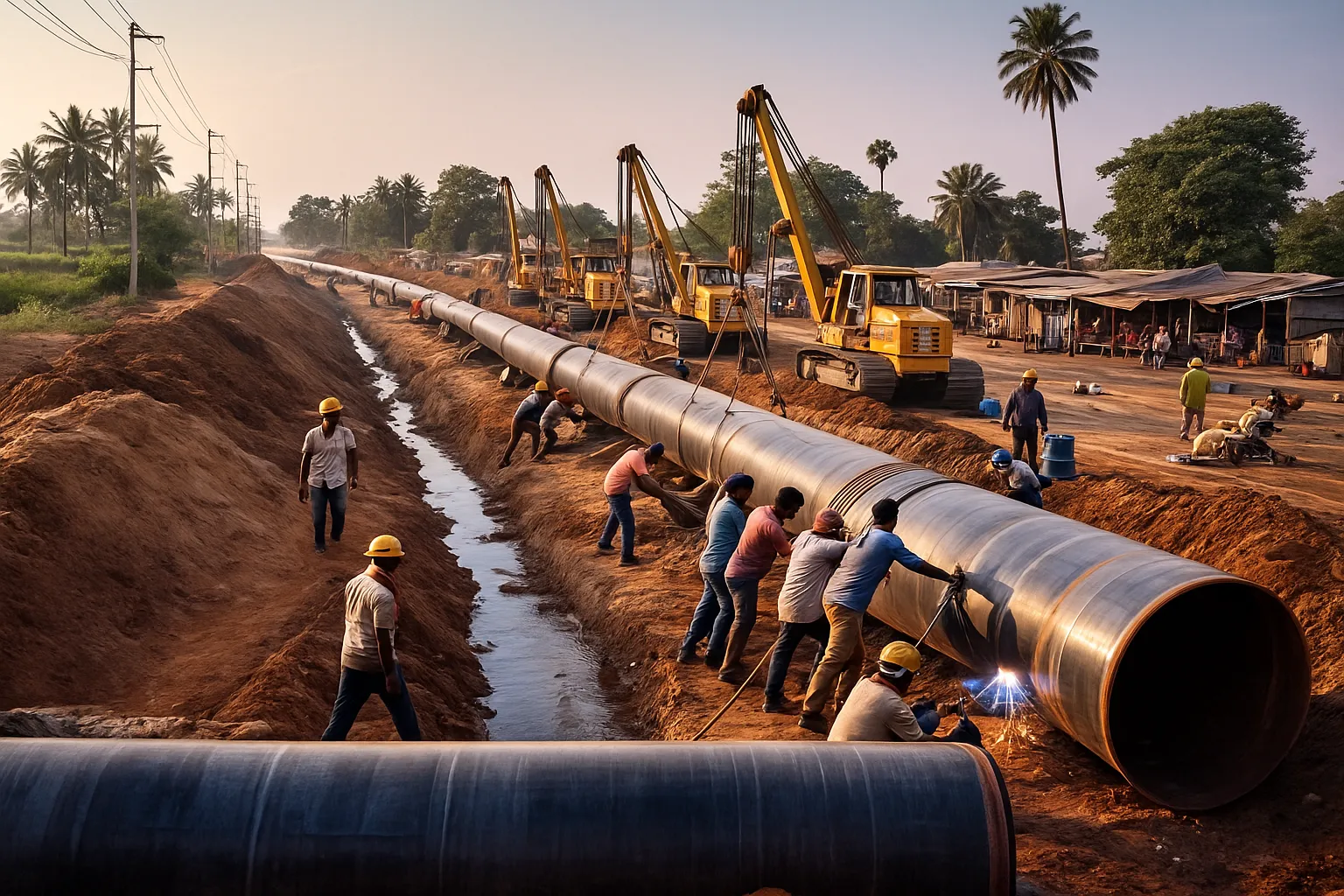
What he didn’t mention was that his employer, Brookfield, was out there scooping up pipelines like they were Pokémon.
Brazil? Bought some.
India? Bought one of those too.
United States? Oh look, it’s Colonial Pipeline — add it to the shopping cart.
When Brookfield builds a pipeline, it’s “critical global infrastructure.”
When Canada tries, it’s “a dangerous relic of the past.”
Funny how that works.
If you’re wondering whether Carney ever advised Trudeau on climate policy during this period, the answer is yes. And isn’t it just adorable that Canada’s domestic energy sector shriveled while Brookfield’s global pipeline portfolio bulked up like it was hitting the gym six days a week?
But then something magical happened.
Something deeply, spiritually hilarious.
Mark Carney became Prime Minister.
And suddenly — poof! — pipelines aren’t the devil anymore.
Now they’re a “pathway to energy security.”
I almost pulled a muscle from rolling my eyes.
Now that Carney needs votes west of Mississauga, he’s discovered that Canadians actually enjoy things like money, jobs, and not sending their natural resources through a maze of trucks like it’s the Oregon Trail.
Climate Saint Carney has been replaced by Pipeline Curious Carney, and guess what? The new version looks suspiciously like a guy who just realized keeping power requires Alberta not hating him with the fire of a thousand suns.
Let’s be honest about what happened here:
- When Carney was climbing the global soft-power ladder, pipelines hurt the brand.
- When he was Vice Chair at Brookfield, pipelines abroad made money.
- When he became Prime Minister, pipelines suddenly started smelling like votes.
This isn’t ideology.
It’s career management with a side of “oh crap, the West is mad.”
And the timing isn’t subtle.
Brookfield’s pipeline investments? Still there.
Carney’s financial link to Brookfield? Still there, tucked into a “blind trust” that somehow sees better than half the people running the country.
Canadian pipelines?
Well now they’re… “worth discussing.”
Which is politician for: “I’ll pretend to like them until I win the next election.”
The whole thing is so predictable I’m shocked Ottawa didn’t trademark it.
Carney didn’t have a moral awakening.
He had a political one.
And nothing motivates a technocrat faster than the sound of an approval rating circling the drain.
So yes — after years of helping keep Canada uncompetitive while pipelines sprouted everywhere else, Carney now wants to be the guy who finally greenlights one.
Not because it’s right.
Not because it’s consistent.
Not because Canada suddenly discovered new geology.
But because power is the only resource that truly matters to him.
And right now, he needs it more than Alberta needs access to global markets.