You don’t wake up one morning and find the country suddenly run from Davos. It happens slowly. Speech by speech. Appointment by appointment. One “historic” announcement at a time, until you realize the people leading Canada spend more energy impressing global forums and corporate circles than the people buying groceries back home.
First it was Justin Trudeau. Now it’s Mark Carney. Different packaging, same network.
This isn’t a conspiracy. It’s a pattern: a tight circle of bankers, consultants, bureaucrats, and political personalities bouncing between global organizations, Bay Street, London, New York, and finally Ottawa — while regular Canadians try to scrape by under the policies these people quietly agree on.
If you feel like the country has drifted toward someone else’s priorities, you’re not imagining it.
Trudeau: The Phase-One Blueprint
Trudeau never hid who his audience was. Davos loved him — the speeches, the branding, the sweeping moral language about “building a better world.” Meanwhile, Canadians got a decade of exploding housing costs, declining affordability, and sluggish productivity.
The performance played well on the world stage. The results at home? Not so much.
Global elites applauded the slogans. Canadians paid the price.
Enter Mark Carney: The Global Operator Comes Home
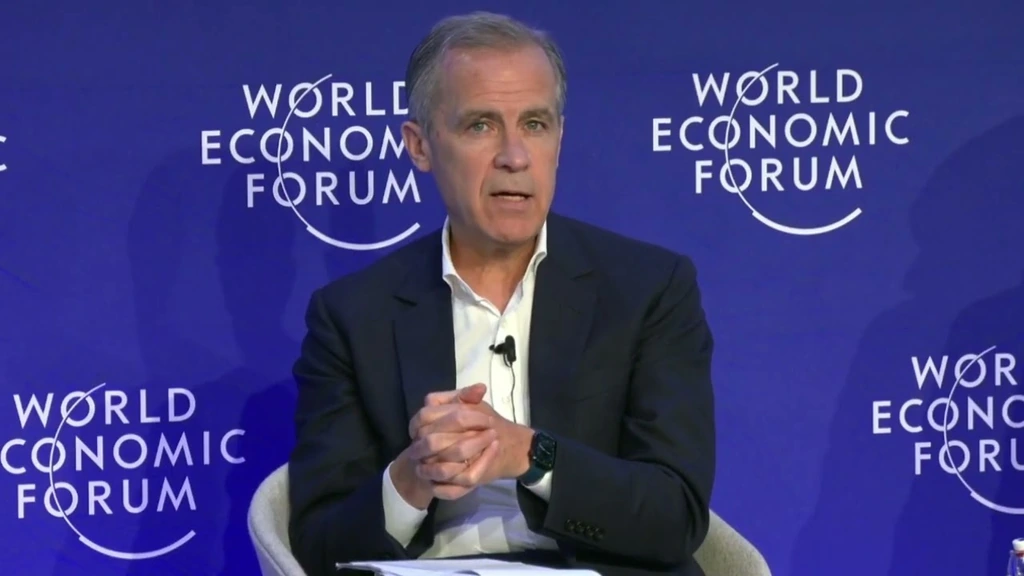
Then came Carney — the man with the resume of someone who collected global institutions like trading cards. Bank of Canada. Bank of England. UN climate finance. International boards. Global think tanks.
And after years of hovering around Canadian politics, he finally landed in the PMO.
If Trudeau was the marketing department of the Davos worldview, Carney is the operations manager. Not the cheerful spokesperson — the guy who makes the spreadsheets that decide your fate.
The Brookfield Problem
Carney’s ties aren’t subtle. He spent years embedded in one of the world’s largest asset firms — Brookfield — with investments in housing, infrastructure, energy, data, utilities, climate finance, and every sector Ottawa touches.
To deal with conflicts, he was given an “ethics screen” and a “blind trust.” Sounds reassuring until you realize the trust isn’t truly blind, the screen excludes large swaths of Brookfield’s holdings, and Carney still benefits financially from decisions that impact companies tied to his portfolio.
The Clerk of the Privy Council literally sold his shares to avoid a conflict.
The Prime Minister didn’t.
That’s not ethics. That’s theater.
The Real Issue: Whose Priorities Matter?
The reason people talk about “WEF puppets” has nothing to do with secret meetings in underground bunkers. It’s about alignment. Trudeau and Carney think like Davos, talk like Davos, and govern like Davos — prioritizing global optics, climate frameworks, and stakeholder jargon while the middle class absorbs the fallout.
When a policy has to choose between global applause and domestic stability, which side wins?
You’ve seen the answer.
Trudeau warmed up the room. Carney locked the door.
That’s how you get a country run by people who confuse international prestige with national success. Leaders who talk endlessly about transformation while the basics — affordability, energy reliability, real jobs — crumble underneath them.
Canada didn’t get “infiltrated.”
We just kept promoting the same kind of person: the global operator whose instincts point upward, not outward.
If we want a country that belongs to Canadians instead of global forums and investment conglomerates, we’re going to need leaders who answer to the people who live here — not to the people clapping in Switzerland.